
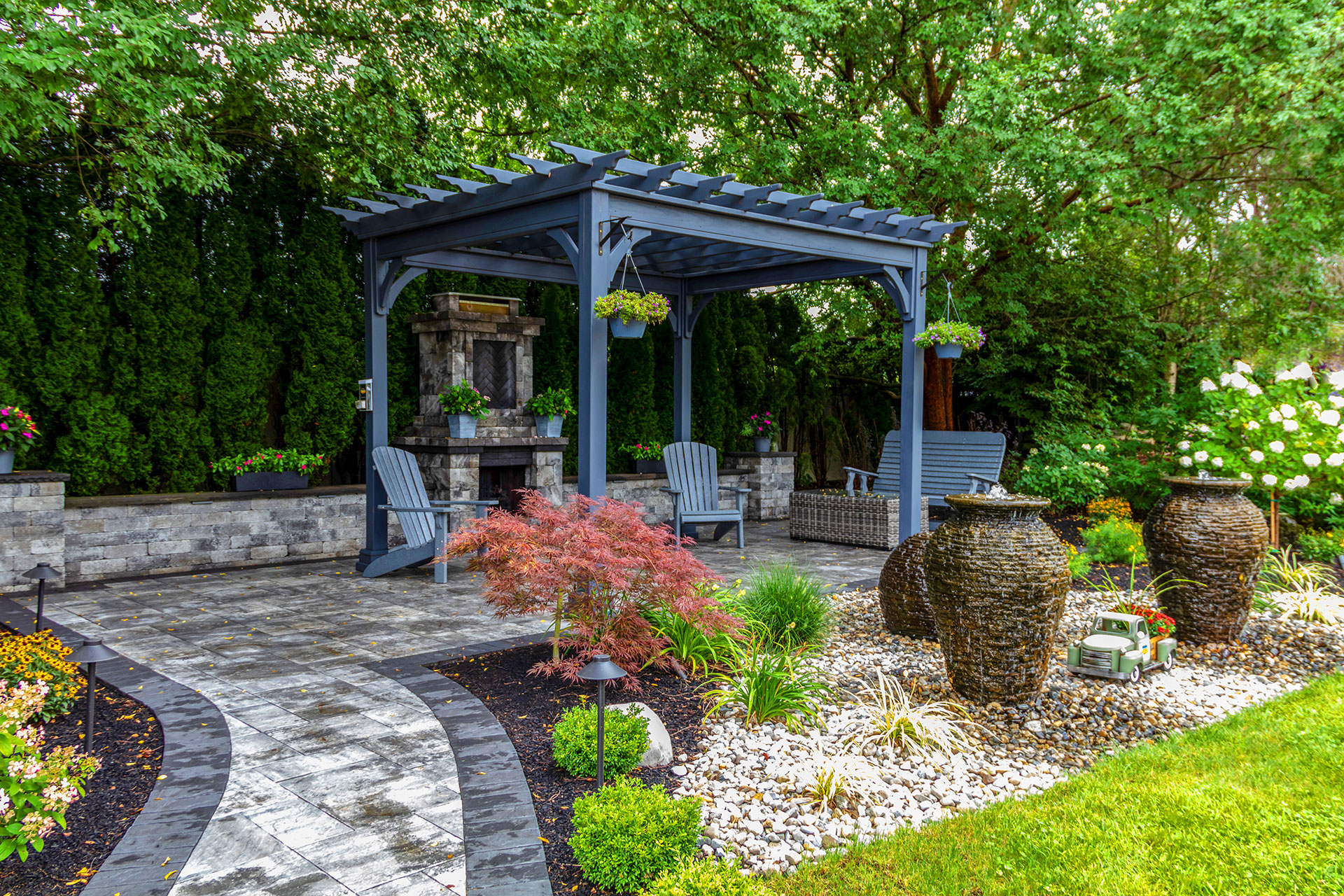
You plant new flowers. Add shrubs. Refresh the lawn. Yet something still feels off. The space doesn’t come together the way you expected. It’s not always about the plants themselves. More often, it’s about how everything works together.
Layout Shapes First Impressions
Before color or plant type, the layout sets the tone.
A yard without structure can feel scattered. Elements may compete instead of complementing each other. Even high-quality plants can look out of place if the arrangement lacks flow. Clear lines, defined spaces, and thoughtful placement create a sense of order. This gives the eye a path to follow.
Scale and Proportion Matter More Than You Think
Plants that are too small can get lost. Plants that are too large can overwhelm the space. Balance comes from matching plant size to the surrounding area. A large yard with tiny plantings may feel empty. A small space filled with oversized shrubs can feel crowded.
Proportion creates harmony. Without it, something always feels slightly off.
Color Without Coordination Feels Chaotic
Color adds energy, but without coordination, it can create visual noise. Too many competing colors can make a yard feel disorganized. Even vibrant plants lose their impact when there is no clear palette. A more intentional approach helps. Repeating certain colors or tones creates consistency and ties different areas together.
A balanced color strategy often includes:
- A primary color that anchors the space
- Secondary colors that complement rather than compete
- Greenery used to soften transitions between bold elements
This approach creates a more cohesive look.
Hardscape and Planting Need to Work Together
Plants do not exist in isolation. They interact with pathways, patios, fences, and other structures. When these elements don’t align, the yard feels disconnected. A beautiful planting bed can look out of place next to an unrelated hardscape design.
Integrating these features creates unity. Materials, shapes, and spacing should feel intentional across the entire space.
The Missing Piece Is Often Cohesion
When a yard feels off, it is usually not because of a single mistake. It is a lack of cohesion. Each element may look fine on its own, but together they do not form a unified space. Once layout, proportion, color, and maintenance align, the difference becomes clear. The yard feels intentional, balanced, and complete.
And suddenly, everything works.