
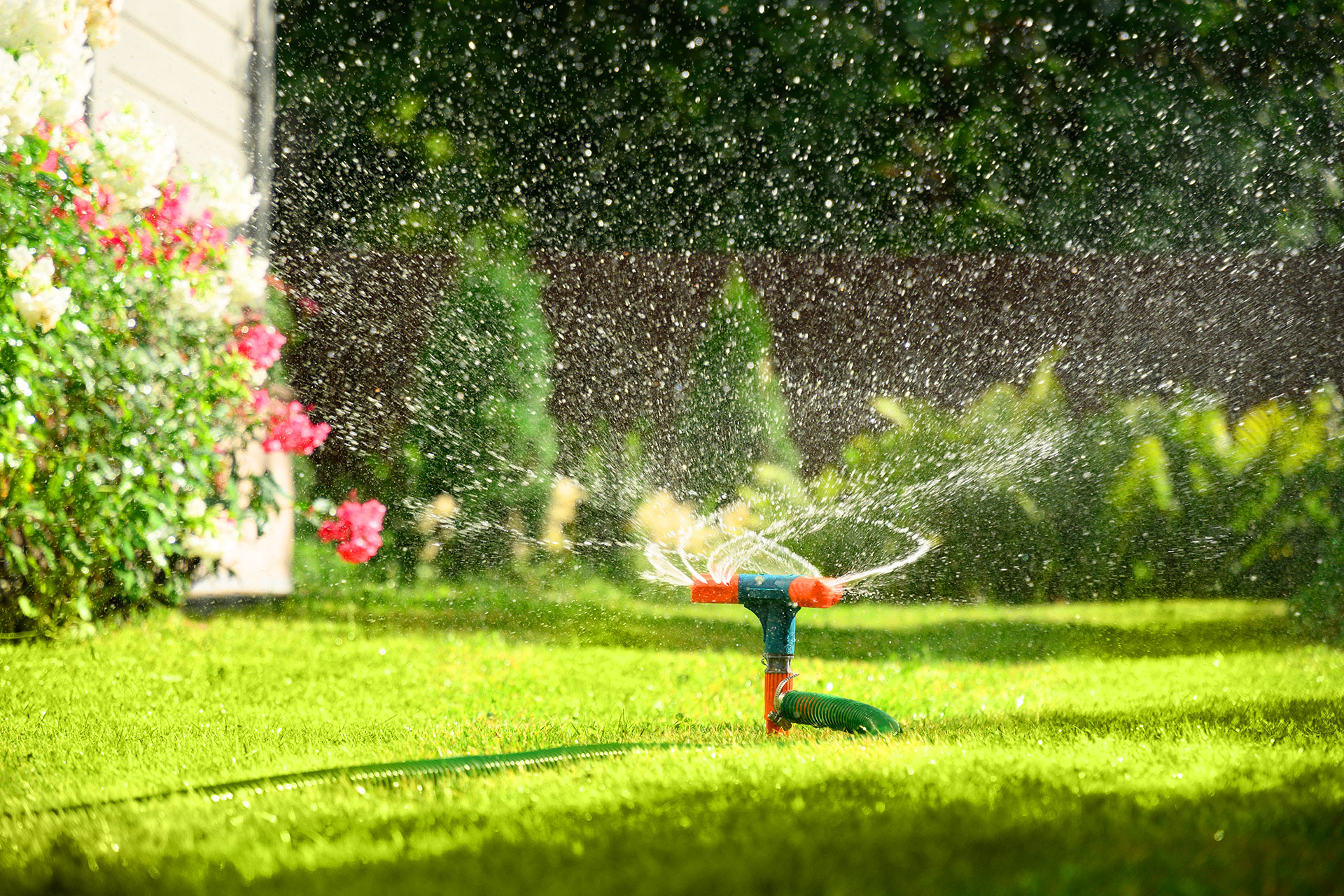
A lush, green lawn is the crown jewel of any property, but achieving that magazine-worthy grass requires more than just occasional watering with a garden hose. An irrigation system for grass transforms the tedious task of manual watering into an automated, precision-driven process that delivers consistent results while saving both time and water.
Whether you’re tired of dragging hoses across your yard or watching brown patches appear during summer heat waves, understanding how modern irrigation systems work can revolutionize your approach to lawn care.
Types of Irrigation Systems for Grass
The world of lawn irrigation offers several distinct systems, each with unique advantages tailored to different yard sizes, budgets, and maintenance preferences. Understanding these options helps homeowners make informed decisions that align with their specific needs.
Sprinkler Systems
Pop-up sprinklers remain the most popular choice for residential lawns, disappearing underground when not in use and rising to action when needed. These systems distribute water in adjustable patterns, from full circles to precise quarter-arcs, making them ideal for lawns with irregular shapes or multiple zones.
Rotary sprinklers excel at covering large areas with their rotating streams, typically reaching 15 to 50 feet depending on water pressure. They deliver water more slowly than spray heads, allowing better soil absorption and reducing runoff on slopes.
Drip Irrigation
While traditionally associated with garden beds, modern drip irrigation technology has evolved to serve grass areas effectively. Subsurface drip systems place water directly at the root level through a network of buried tubes, eliminating evaporation losses and preventing fungal diseases that thrive on wet grass blades.
Smart Irrigation Controllers
Today’s intelligent controllers connect to weather stations and soil moisture sensors, automatically adjusting watering schedules based on real-time conditions. These systems can reduce water usage by up to 50% compared to traditional timer-based controllers, paying for themselves through lower water bills.
Key Components of an Effective Irrigation System for Grass
Every successful irrigation system relies on carefully selected components working in harmony. Understanding these elements helps homeowners maintain their systems and troubleshoot issues before they become costly problems.
Essential Components Include:
- Backflow Preventer: Protects your home’s water supply from contamination
- Control Valves: Regulate water flow to different zones
- Pressure Regulator: Maintains optimal water pressure throughout the system
- Rain Sensors: Prevent unnecessary watering during precipitation
- Distribution Lines: Carry water from the source to sprinkler heads
Planning Your Lawn’s Irrigation Zones
Proper zone planning forms the foundation of an efficient irrigation system for grass. Different areas of your lawn have varying water needs based on sun exposure, soil type, and grass species.
Start by mapping your property and identifying areas with similar watering requirements. South-facing slopes dry out faster than shaded northern exposures, while clay soil retains moisture longer than sandy areas. Group sprinkler heads into zones based on these characteristics, ensuring each zone runs long enough to deliver approximately one inch of water per week during peak growing season.
Many homeowners struggle with creating that perfect lawn because they overlook the importance of customized watering zones, leading to overwatered valleys and parched hilltops.
Installation Process and Considerations
Installing an irrigation system for grass involves more planning than many homeowners anticipate. Before breaking ground, contact your local utility companies to mark underground lines—a free service that prevents dangerous and expensive accidents.
DIY vs. Professional Installation
While ambitious homeowners can tackle irrigation installation themselves, the complexity often justifies professional expertise. DIY installation typically saves 40-50% on labor costs but requires significant time investment and physical effort.
Professional installers bring specialized equipment like pipe pullers that minimize lawn damage and complete installations in days rather than weeks. They also understand local codes, ensure proper water pressure calculations, and provide warranties on their work.
Timing Your Installation
Spring and fall offer ideal conditions for irrigation system installation. The soil is typically moist enough for easy digging but not waterlogged, and grass recovers quickly from any disturbance during these growing seasons.
Water Conservation and Efficiency Tips
Modern irrigation systems for grass can actually reduce water consumption compared to manual watering, but only when properly configured and maintained. Implementing water-saving strategies benefits both your wallet and the environment.
Morning Watering
Water between 4-10 AM when evaporation rates are lowest and wind is minimal.
Deep, Infrequent Watering
Train grass roots to grow deeper by watering thoroughly but less frequently.
Seasonal Adjustments
Reduce watering by 50% or more during dormant seasons and rainy periods.
Maintenance Requirements for Long-Term Performance
Regular maintenance ensures your irrigation system for grass operates efficiently for decades. Neglected systems waste water through leaks, clogged heads, and misaligned sprinklers that water sidewalks instead of grass.
Spring Startup Checklist
- Inspect and clean all sprinkler heads
- Check for winter damage to pipes and valves
- Test each zone individually for proper coverage
- Adjust sprinkler heads to eliminate overspray
- Replace batteries in rain sensors and controllers
- Verify backflow preventer functionality
Winterization Process
In freeze-prone regions, winterization prevents costly damage from expanding ice. This process involves draining water from pipes and sprinkler heads using compressed air, typically requiring professional equipment to ensure complete water removal.
Cost Analysis and Return on Investment
The initial investment in an irrigation system for grass ranges from $3,000 to $5,000 for average suburban lawns, with larger properties or complex landscapes reaching $10,000 or more. However, this upfront cost delivers substantial long-term value through multiple channels.
Property values increase by 5-15% with professionally installed irrigation systems, often recovering the entire installation cost at sale time. Monthly water savings of 20-30% are common when replacing manual watering with smart irrigation controllers, while the time saved, typically 8-10 hours weekly during growing season—allows homeowners to pursue more enjoyable activities.
Common Problems and Troubleshooting
Even well-maintained irrigation systems occasionally develop issues. Recognizing symptoms early prevents minor problems from becoming major repairs.
Dry spots despite regular watering often indicate clogged nozzles or inadequate overlap between sprinkler patterns. Clean or replace affected heads and adjust spacing to ensure complete coverage.
Constantly soggy areas suggest broken pipes, stuck valves, or excessive run times. Investigate immediately, as prolonged overwatering promotes disease and attracts pests.
Reduced water pressure throughout the system may stem from partially closed valves, clogged filters, or simultaneous operation of too many zones. Check these components systematically to identify the restriction.
Future Trends in Lawn Irrigation Technology
The irrigation industry continues innovating with technologies that promise even greater efficiency and convenience. Soil moisture sensors now communicate wirelessly with controllers, while satellite imagery helps systems adjust for varying grass health across your lawn.
Artificial intelligence algorithms learn your lawn’s specific needs over time, predicting water requirements based on historical data and weather patterns. Some systems even integrate with smart home platforms, allowing voice control and smartphone monitoring from anywhere in the world.
Installing an irrigation system for grass represents one of the smartest investments a homeowner can make for their property. Beyond the obvious benefits of a healthier, more attractive lawn, these systems save precious time, conserve water, and increase home value.
Whether you choose a basic timer-controlled setup or a cutting-edge smart system, proper planning, quality components, and regular maintenance ensure your irrigation system delivers reliable performance for years to come. The key lies in understanding your lawn’s unique needs and selecting a system that addresses them efficiently while adapting to changing weather conditions and seasonal requirements.