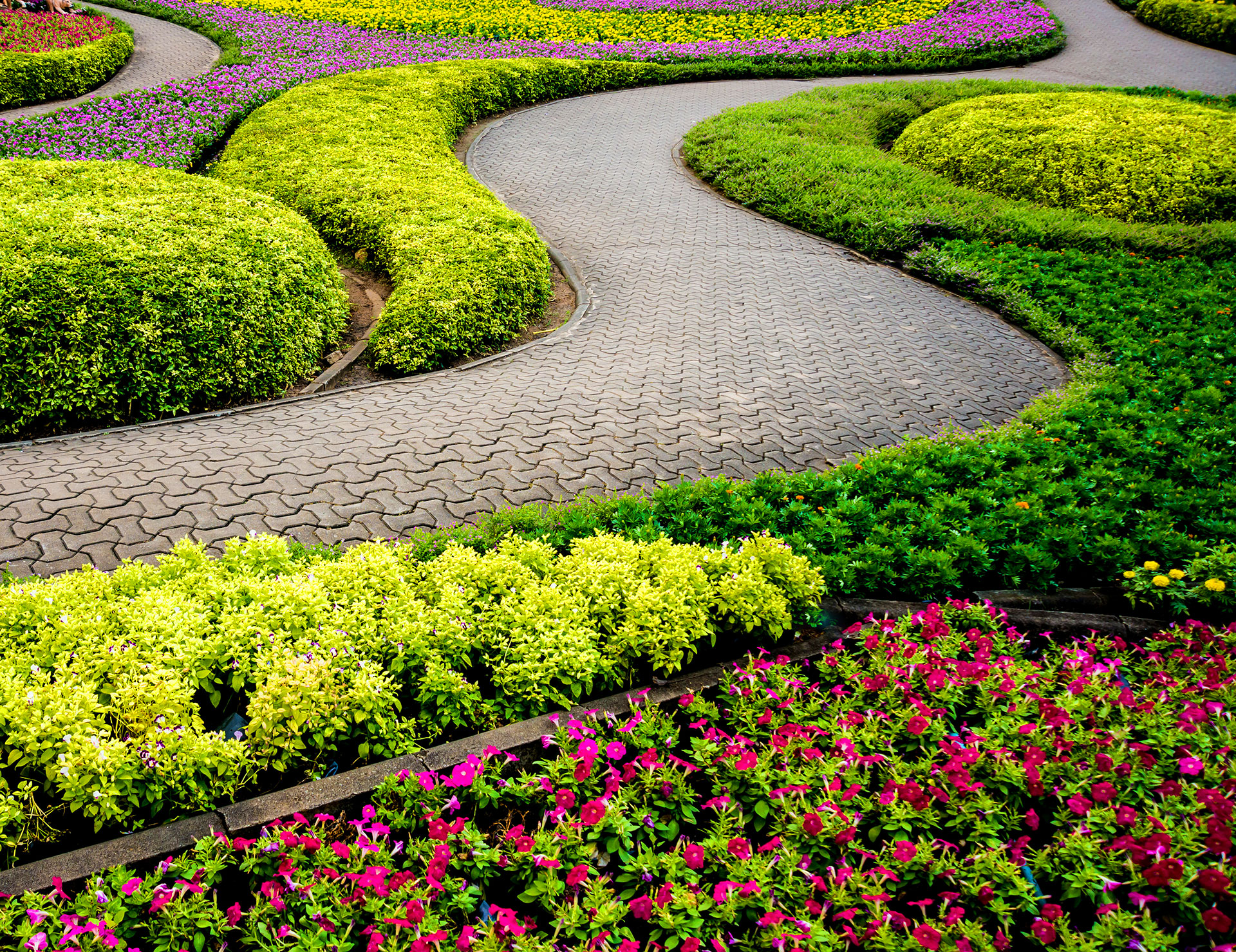
Creating a beautiful garden doesn’t have to mean endless hours of watering, pruning, and fussing over delicate plants. Whether you’re a busy professional, a gardening beginner, or simply someone who prefers to spend more time enjoying your outdoor space rather than maintaining it, choosing low maintenance garden plants can transform your yard into a stunning yet effortless oasis.
These resilient beauties thrive with minimal care while still providing year-round interest, color, and texture to your landscape.
Why Choose Low Maintenance Garden Plants?
Low maintenance garden plants offer numerous advantages beyond just saving time. They typically require less water, making them environmentally friendly and cost-effective choices for your landscape. These hardy varieties are often more resistant to pests and diseases, reducing the need for chemical treatments and constant monitoring.
Additionally, these resilient plants tend to be more forgiving of occasional neglect, bouncing back quickly from missed waterings or forgotten fertilizer applications. For novice gardeners, they provide an excellent starting point to build confidence and enjoy success without the steep learning curve that comes with more demanding species.
Top Perennial Choices for Effortless Beauty
Drought-Tolerant Flowering Perennials
Black-eyed Susans (Rudbeckia) stand out as champions among low maintenance garden plants, producing cheerful yellow blooms from summer through fall with virtually no intervention. These native wildflowers self-seed readily, creating natural drifts of color that return stronger each year. Similarly, coneflowers (Echinacea) offer stunning purple, pink, or white blooms while attracting beneficial pollinators and requiring almost no care once established.
Sedums, also known as stonecrops, provide succulent foliage and late-season flowers that require practically zero maintenance. These drought-tolerant perennials come in various heights and colors, from ground-hugging varieties perfect for rock gardens to tall autumn-blooming types that add structure to border plantings.
Reliable Foliage Plants
Hostas reign supreme in shaded areas, offering lush foliage in countless varieties without demanding constant attention. Once established, these shade-lovers need only occasional division every few years to maintain their vigor. Their leaves range from blue-green to chartreuse, with many featuring striking variegation patterns.
Ornamental grasses like fountain grass and blue fescue add movement and texture while thriving on neglect. These architectural plants require only an annual cutting back in late winter or early spring, making them perfect for gardeners seeking maximum impact with minimal effort.
Shrubs That Practically Care for Themselves
Shrubs form the backbone of any low maintenance garden, providing structure and year-round interest without constant pruning or shaping. Spirea varieties offer cascading branches covered in tiny flowers, requiring only occasional trimming to maintain their graceful form. These adaptable shrubs tolerate various soil conditions and light levels.
For those planning ahead, selecting the right shrubs and perennials now can ensure a spectacular spring garden display with minimal effort required when warmer weather returns. Forsythia and lilac bushes exemplify this principle perfectly, blooming reliably each spring after establishment with virtually no intervention needed.
Barberry shrubs provide colorful foliage ranging from deep purple to golden yellow, along with natural pest resistance due to their thorny branches. These tough plants tolerate poor soil, drought, and urban pollution while maintaining their attractive appearance throughout the growing season.
Ground Covers That Suppress Weeds Naturally
Ground covers serve double duty in low maintenance gardens by beautifying bare spots while preventing weed growth. Creeping phlox spreads quickly to form dense mats of spring flowers, requiring no mowing or trimming. This vigorous perennial thrives in full sun and poor soil conditions.
Ajuga, commonly called bugleweed, offers attractive bronze or variegated foliage topped with blue flower spikes in spring. This shade-tolerant ground cover spreads readily without becoming invasive, filling in difficult areas under trees where grass struggles to grow.
Pro Tip: When establishing ground covers, plant them closer together than recommended to achieve faster coverage and reduce weeding time during the establishment period.
Native Plants: Nature’s Low Maintenance Solution
Native plants represent the ultimate in low maintenance gardening, having evolved to thrive in your specific climate and soil conditions. These plants require no supplemental watering once established and rarely need fertilization since they’re adapted to local nutrient levels.
Native wildflowers like blanket flower (Gaillardia) and purple coneflower provide vibrant blooms while supporting local butterfly and bee populations. These plants often self-seed, creating naturalistic drifts that evolve and change over time without any intervention from the gardener.
Regional Native Favorites
- Northeast: Wild columbine, New England aster, and Joe Pye weed
- Southeast: Southern magnolia, beautyberry, and coral honeysuckle
- Midwest: Prairie dropseed, wild bergamot, and blazing star
- Southwest: Agave, penstemon, and desert marigold
- Pacific Northwest: Sword fern, Oregon grape, and red flowering currant
Essential Tips for Establishing Low Maintenance Garden Plants
Soil Preparation Matters
While low maintenance plants are forgiving once established, proper soil preparation ensures they thrive from the start. Adding compost or aged manure improves drainage in clay soils and increases water retention in sandy soils. This initial investment of effort pays dividends by reducing the need for future amendments and fertilization.
Right Plant, Right Place
Success with low maintenance garden plants depends heavily on matching plants to their preferred growing conditions. Sun-loving plants placed in shade will struggle regardless of their reputation for easy care. Take time to observe your garden’s light patterns and soil moisture levels before selecting plants.
Mulching for Success
A thick layer of organic mulch serves multiple purposes in a low maintenance garden. It suppresses weeds, retains soil moisture, regulates soil temperature, and slowly breaks down to improve soil structure. Apply 2-3 inches of mulch around plants, keeping it away from stems and trunks to prevent rot.
Watering Strategies for Minimal Maintenance
Establishing an efficient watering system reduces one of gardening’s most time-consuming tasks. Drip irrigation or soaker hoses deliver water directly to plant roots, minimizing waste and reducing disease problems associated with overhead watering.
Group plants with similar water needs together to simplify irrigation schedules. This technique, called hydrozoning, ensures each area receives appropriate moisture without overwatering drought-tolerant species or underwatering thirstier plants.
Water-Wise Tip: Water deeply but infrequently to encourage deep root growth. This practice creates more drought-resistant plants that require less frequent irrigation.
Year-Round Interest with Minimal Effort
Creating a garden with four-season appeal doesn’t require constant replanting or maintenance. Choose plants with multiple seasons of interest, such as serviceberry trees that offer spring flowers, summer berries, fall color, and attractive winter bark patterns.
Incorporate evergreen shrubs and perennials with interesting seed heads that persist through winter. Ornamental grasses, coneflowers, and sedum seed heads provide structure and visual interest during dormant months while requiring no maintenance until spring cleanup.
Common Mistakes to Avoid
Even with low maintenance garden plants, certain mistakes can create unnecessary work. Overplanting leads to overcrowding, requiring frequent division and transplanting. Give plants adequate space to reach their mature size without constant pruning.
Avoid the temptation to overfertilize low maintenance plants. Excess nutrients often produce lush, weak growth that’s more susceptible to pests and diseases. Most hardy perennials and native plants perform better with lean soil conditions.
Skip the urge to deadhead everything immediately. Many low maintenance plants, particularly native species, provide seeds for birds and winter interest when spent flowers are left standing. This approach saves time while supporting local wildlife.
Container Gardens for Ultimate Flexibility
Container gardening offers an excellent solution for those seeking low maintenance options with maximum control. Succulents and cacti thrive in pots with minimal watering requirements, while self-watering containers can sustain thirstier plants for extended periods.
Choose large containers that hold more soil and moisture, reducing watering frequency. Group containers together to create microclimates and simplify maintenance routines. Select slow-release fertilizers to minimize feeding requirements throughout the growing season.
Transforming your outdoor space with low maintenance garden plants allows you to enjoy a beautiful landscape without sacrificing your weekends to constant upkeep. By selecting appropriate plants for your conditions, preparing soil properly, and implementing smart maintenance strategies, you can create a thriving garden that practically takes care of itself.
Start small, observe what works in your space, and gradually expand your collection of easy-care plants to build the effortless garden of your dreams.