
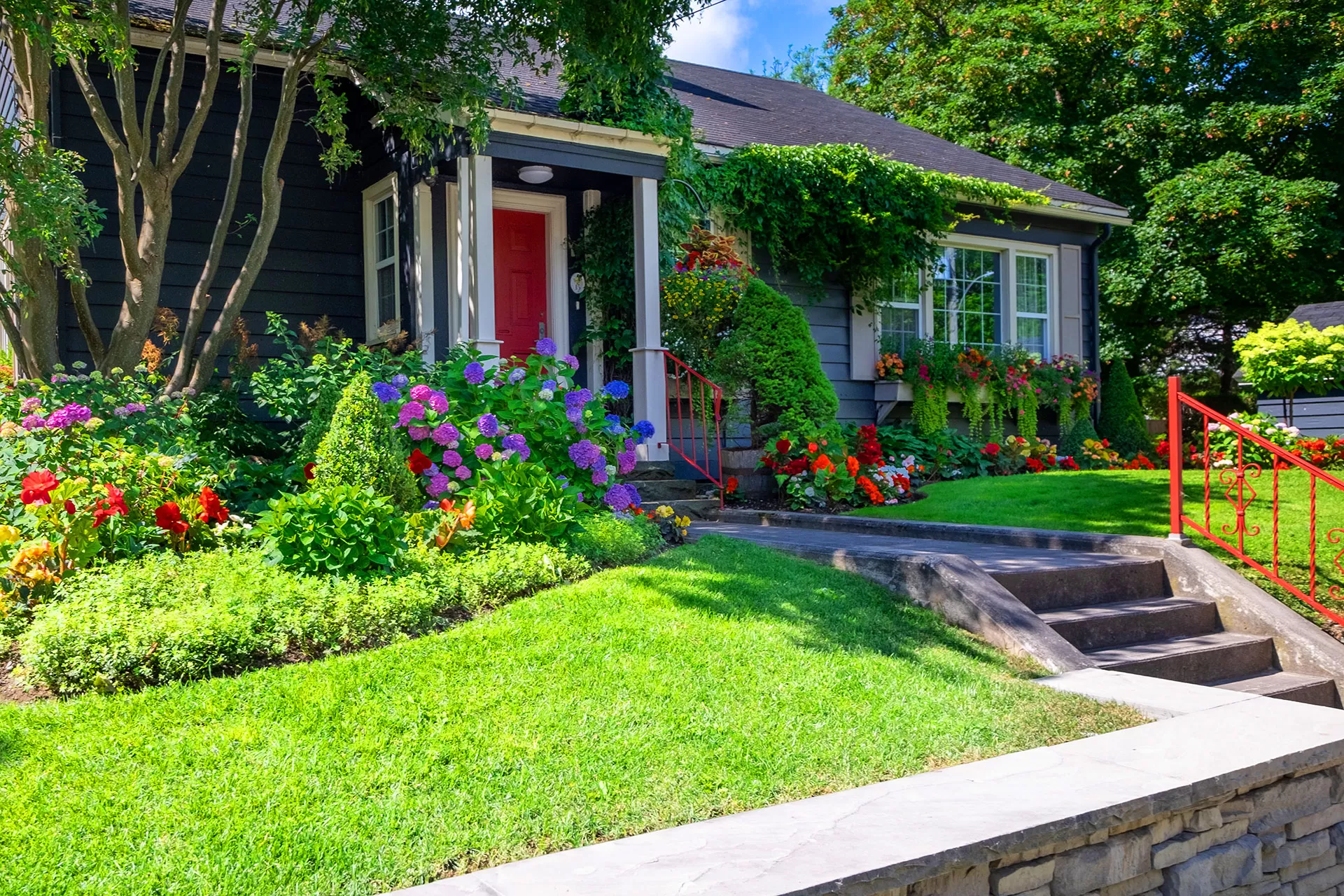
That narrow strip running along the side of your house probably looks like an afterthought right now. Maybe it’s gravel, weeds, or just bare dirt collecting trash from the wind. The good news is that this forgotten space has more potential than almost any other part of your yard, and fixing it up can genuinely transform how your entire property looks from the street.
What Are the Best Landscaping Ideas for the Side of a House?
The best side yard landscaping ideas include gravel pathways, shade-tolerant groundcovers, vertical gardens, and narrow raised beds. Since side yards often get limited sunlight and tight space, focus on low-maintenance plants, proper drainage, and functional walkways that connect the front and back yard seamlessly.
Side yards are tricky because they’re often narrow, shaded by the house on one side, and squeezed by a fence or neighbor’s property on the other. But that doesn’t mean the space has to be wasted. With the right approach, it can become a functional passage, a hidden garden retreat, or even extra storage disguised beautifully.
Why Side Yards Get Overlooked
Most homeowners pour their energy into the front lawn and backyard patio, leaving the side yard as a dumping ground for trash cans, garden hoses, and forgotten tools. This happens for a few reasons:
- Limited sunlight makes plant choices feel restrictive
- Narrow width discourages creative design
- It’s rarely visible from inside the house
- Drainage issues make the ground soggy or eroded
Once you flip your mindset and treat this strip as usable square footage, ideas start flowing a lot easier.
Top Landscaping Ideas Worth Trying
1. Create a Gravel or Paver Walkway
A clean pathway instantly makes a side yard feel intentional rather than neglected. Pea gravel, flagstone, or interlocking pavers work well because they handle foot traffic and drain water efficiently. This is especially useful if the side yard connects your front entrance to the backyard gate.
2. Choose Shade-Loving Plants
Since one side of the house typically blocks sunlight for most of the day, stick with plants that thrive in partial or full shade. Good options include:
- Hostas
- Ferns
- Astilbe
- Heuchera (coral bells)
- Japanese forest grass
These plants add texture and color without demanding constant sun exposure.
3. Add Vertical Interest
Narrow spaces benefit from height rather than width. Trellises, climbing vines, or tall planters draw the eye upward and make the corridor feel less cramped. Consider espaliered fruit trees or climbing hydrangea against the fence line.
4. Install Raised Garden Beds
If the side yard gets a few hours of morning sun, raised beds are a smart way to grow herbs or small vegetables. They also solve drainage problems since you control the soil composition from the start.
5. Improve Drainage Before Anything Else
Side yards often become water channels during storms since they sit between two structures. Before planting anything, grade the soil properly and consider adding gravel trenches or French drains. Skipping this step leads to root rot and soggy walkways down the line.
6. Hide Utility Areas With Screening
Trash bins, AC units, and utility boxes usually end up in the side yard. Bamboo screening, lattice panels, or tall ornamental grasses can hide these eyesores while keeping the area accessible for maintenance.
Don’t Forget the Irrigation Setup
Even shade-tolerant plants need consistent watering, especially during the first growing season. A well-planned irrigation system prevents the guesswork of hand-watering a narrow strip that’s easy to forget about. Choosing the right equipment matters here, since not every sprinkler head works well in tight, oddly shaped spaces.
If you’re setting up irrigation for this area, it helps to understand sprinkler heads types before installing anything permanent. Narrow side yards often do better with specific spray patterns that avoid soaking fences or hardscaping unnecessarily.
Design Tips for Small, Narrow Spaces
Working with limited width doesn’t mean limited style. Keep these principles in mind:
- Use light-colored materials to make the pathway feel wider and brighter
- Stick to a simple plant palette so the space doesn’t feel cluttered
- Add lighting along the path for safety and nighttime appeal
- Keep maintenance low since this area gets less attention overall
Consistency is key. A side yard packed with too many textures, colors, or materials will feel chaotic rather than charming.
Maintenance Considerations
Once your side yard is designed, keeping it looking good requires minimal but regular upkeep:
- Trim back plants encroaching on walkways
- Check drainage systems after heavy rain
- Refresh mulch or gravel yearly to prevent weed growth
- Inspect irrigation components for clogs or leaks
Because side yards are narrow, problems tend to get noticed quickly, which actually makes maintenance easier compared to sprawling lawns.
Final Thoughts
The side of your house doesn’t have to stay an ignored, cluttered strip of land. With thoughtful plant selection, smart drainage planning, and a few structural touches like pathways or vertical gardens, this space can become one of the most functional and attractive parts of your property. Start small, prioritize drainage and irrigation early, and build from there. A well-designed side yard adds curb appeal, functionality, and a surprising amount of value to your home.
Frequently Asked Questions
What is the cheapest way to landscape a side yard?
Using gravel for pathways and low-maintenance groundcovers like creeping thyme or vinca is one of the most budget-friendly approaches. These options require little upkeep and skip the need for expensive hardscaping materials.
What plants grow well in a shaded side yard?
Hostas, ferns, astilbe, and heuchera all tolerate shade well. These plants add color and texture without needing direct sunlight for most of the day.
How do I fix drainage issues in a narrow side yard?
Grading the soil away from the house foundation and installing a French drain or gravel trench are effective solutions. Addressing drainage before planting prevents root rot and erosion later.
Can I turn my side yard into a walkway?
Yes, pavers, flagstone, or gravel pathways are common choices for side yards, especially when connecting the front and backyard. This adds function while improving the overall look of the space.
Do side yards need their own irrigation system?
Yes, especially since they often sit outside the range of standard lawn sprinklers. A dedicated system with appropriate spray heads ensures even watering without overspray onto fences or walls.