Picking the right sprinkler head can feel a bit like standing in the cereal aisle: too many choices, confusing labels, and a sneaking suspicion you’re about to make the wrong call. But here’s the thing, the head you choose decides whether your lawn drinks deeply or barely sips. Let’s discover down the different sprinkler heads types, what they actually do, and how to match them to your yard without overthinking it.
What Are the Main Types of Sprinkler Heads?
The main types of sprinkler heads are fixed spray heads, rotor heads, rotary nozzles, impact sprinklers, bubblers, and drip emitters. Each delivers water differently, with spray heads covering small zones, rotors handling large lawns, and drip systems targeting precise root areas for shrubs and gardens.
Why the Type of Sprinkler Head Actually Matters
Most homeowners assume a sprinkler is a sprinkler. Not even close. The wrong head can drown one section of your yard while leaving brown patches just a few feet away. Worse, you’ll pay for water that never actually soaks into the soil.
Matching the head to the zone is one of the simplest ways to save money, conserve water, and keep your lawn looking like the neighbor you secretly want to outdo. If you want a deeper look at how watering choices affect the bigger picture, here’s a helpful read on irrigation systems and their role in healthy landscapes.
The 6 Most Common Sprinkler Heads Types
1. Fixed Spray Heads
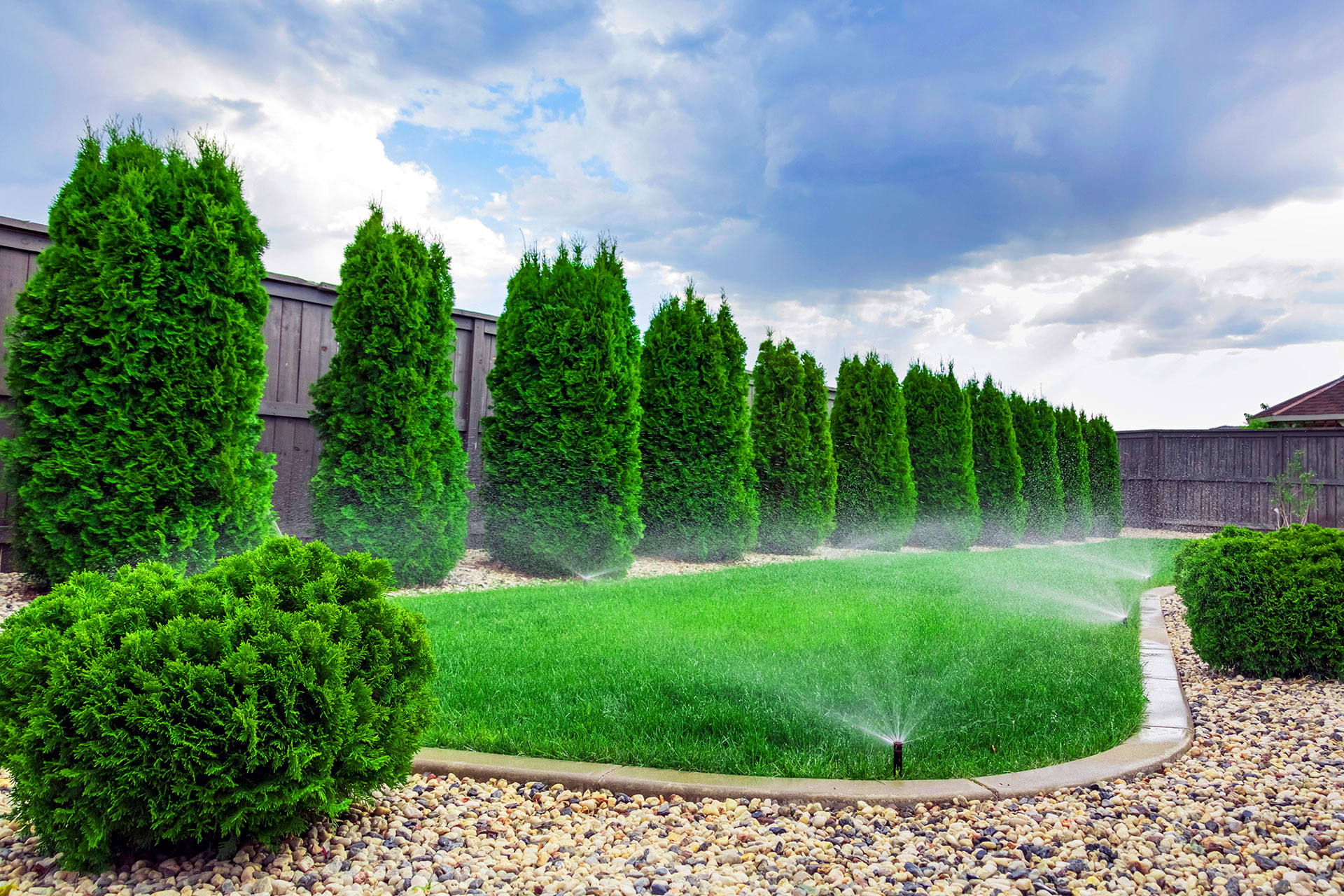
These are the little pop-up guys you see in suburban front yards. They shoot a fan-shaped spray in a fixed pattern, typically covering 3 to 15 feet.
- Best for: Small lawns, narrow strips, flower beds
- Pros: Cheap, easy to install, predictable coverage
- Cons: Higher water output rate, can cause runoff on slopes
2. Rotor Heads
Rotor heads rotate slowly, shooting one or more streams across larger areas. Think of them as the marathon runners of the sprinkler world.
- Best for: Medium to large lawns (over 18 feet across)
- Pros: Water-efficient, even distribution, ideal for big spaces
- Cons: Higher upfront cost, needs proper pressure to work right
3. Rotary Nozzles (Multi-Stream Rotors)
A clever hybrid. These send out multiple slow-moving streams that look like spinning tentacles of water. They apply water at a lower rate, which means less runoff and deeper soaking.
- Best for: Sloped lawns, clay soil, mid-sized yards
- Pros: Excellent water efficiency, wind-resistant
- Cons: Longer run times needed
4. Impact Sprinklers
The classic “tick-tick-tick-whoosh” sound from your childhood. Impact heads use a spring-loaded arm to break up the stream, and they’re tough as nails.
- Best for: Large open areas, farms, agricultural plots
- Pros: Durable, handles dirty water, long throw distance
- Cons: Noisy, less attractive, mostly above-ground
5. Bubblers
Bubblers don’t really spray. They flood a small area with water, perfect for getting moisture deep around trees and shrubs.
- Best for: Tree wells, planters, deep-root watering
- Pros: Targeted, zero overspray, fast watering
- Cons: Not for lawns, requires level ground
6. Drip Emitters
Technically not a “sprinkler head,” but they belong in this conversation. Drip emitters release water slowly right at the root zone, drop by drop.
- Best for: Gardens, hedges, container plants, xeriscaping
- Pros: Most water-efficient option, reduces weeds
- Cons: Lines can clog, not visible (hard to spot issues)
How to Choose the Right Sprinkler Head for Your Yard
Consider Your Lawn Size
Small spaces? Go with spray heads. Big open turf? Rotors or rotary nozzles will save you water and headaches over time.
Check Your Water Pressure
Rotor heads need at least 30 PSI. If your pressure is weak, fixed sprays or drip systems will perform much better.
Match Soil and Slope
Clay and slopes need slow application rates. Rotary nozzles or drip lines win here. Sandy soil can handle faster sprays.
Think About Plant Types
Lawns crave overhead coverage. Trees, shrubs, and gardens prefer bubblers or drip lines for deep, targeted watering.
Common Mistakes to Avoid
- Mixing head types in one zone: Spray heads and rotors deliver water at very different rates. Never combine them on the same valve.
- Ignoring head spacing: Each sprinkler should spray to the next one (head-to-head coverage). Skip this, and you’ll get dry spots.
- Forgetting maintenance: Clogged nozzles and tilted heads waste water and ruin your coverage pattern.
- Watering during the wrong time: Even the best sprinkler head can’t fight evaporation at 2 PM. Stick to early morning.
Frequently Asked Questions
Which sprinkler head type is the most water-efficient?
Drip emitters are the most water-efficient, delivering water directly to plant roots with little to no evaporation. For lawns specifically, rotary nozzles offer the best efficiency among traditional sprinkler heads.
Can I replace a spray head with a rotor head?
Not directly. They operate at different precipitation rates, so swapping them on the same zone causes uneven watering. You’d need to reconfigure the entire zone or use rotary nozzles that fit spray head bodies.
How long do sprinkler heads usually last?
With normal use, most sprinkler heads last 10 to 15 years. Plastic spray heads may wear faster, while brass impact sprinklers can last decades if maintained well.
Why is one sprinkler head not popping up?
Usually it’s debris in the nozzle, low water pressure, or a broken riser. Try cleaning the filter first, then inspect the head for cracks or grass overgrowth blocking the pop-up.
Are pop-up sprinklers better than above-ground ones?
For permanent lawns, yes. Pop-up heads stay hidden, protect themselves from mower damage, and look cleaner. Above-ground impact sprinklers are better for temporary setups or very large open areas.
Final Thoughts
Understanding the different sprinkler heads types isn’t just a nerdy landscaping detail, it’s the difference between a lush lawn and a patchy water bill nightmare. Spray heads cover small zones, rotors handle big lawns, rotary nozzles shine on slopes, impact sprinklers tackle wide open spaces, and bubblers plus drip emitters take care of your trees and gardens.
Pick the head that fits the job, mind your pressure and spacing, and your yard will thank you with greener grass and lower bills. Simple as that.