Picture this: you turn on the hose, expecting a satisfying rush of water, and instead get a sad little trickle. Frustrating, right? But here’s the plot twist nobody tells you about. That weak stream might actually be the secret weapon your garden has been begging for. Welcome to the surprisingly powerful world of low pressure watering, where less force means healthier roots, happier plants, and a water bill that finally stops giving you anxiety.
What is low pressure watering and why does it work?
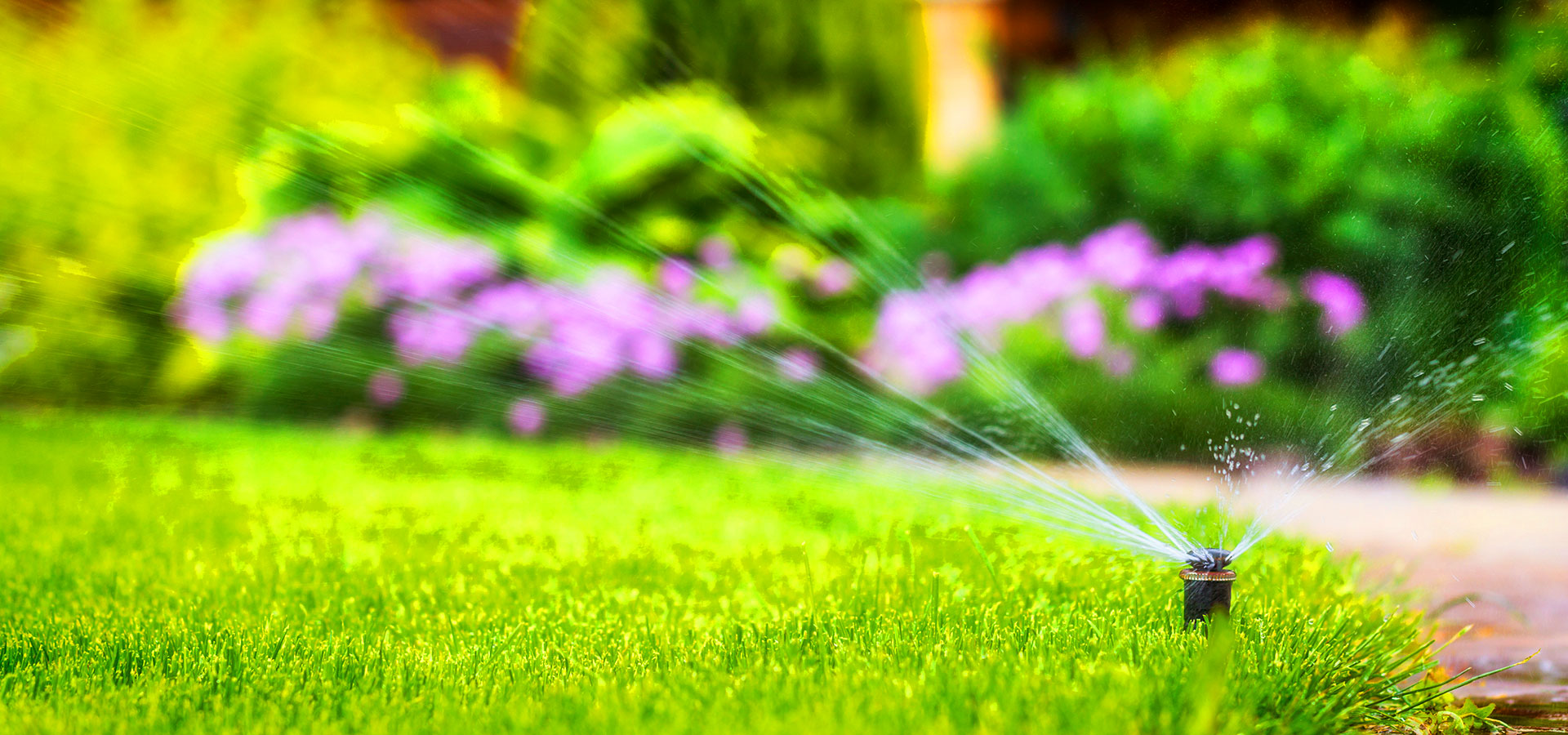
Low pressure watering delivers water slowly and gently, typically between 10 and 25 PSI, allowing soil to absorb moisture deeply without runoff or erosion. This method strengthens root systems, reduces water waste by up to 50%, and prevents soil compaction, making it ideal for gardens, lawns, and delicate seedlings.
Why High Pressure Is Sabotaging Your Garden
Most homeowners assume that blasting their plants with a powerful spray gets the job done faster. Faster, sure. Better? Not even close. High pressure water tends to pool on the surface, run off before it soaks in, and worst of all, it can damage tender leaves and expose root systems by eroding the soil around them.
Think of it like trying to drink water from a fire hose versus sipping from a glass. Your plants are doing the same calculation. When water hits the soil too quickly, the ground simply cannot absorb it fast enough, leading to that sad sight of water rivers running down your driveway instead of nourishing your beds.
The Real Benefits of Slowing Things Down
Switching to a gentler approach is one of those small changes that pays off in unexpected ways. Here is what actually happens when you ease off the pressure:
- Deeper root growth: Slow watering encourages roots to grow downward in search of moisture, making plants more drought resistant.
- Less water waste: More water actually reaches the root zone instead of evaporating or running off.
- Healthier soil structure: Gentle flow preserves the natural air pockets in soil that roots need to breathe.
- Reduced disease risk: Foliage stays drier, which means fewer fungal problems on roses, tomatoes, and other susceptible plants.
- Lower utility bills: Efficient delivery means you simply use less water overall.
Best Methods for Low Pressure Watering
There is no single right way to do this, which is honestly part of the fun. Different setups suit different gardens, and you can mix and match based on what you are growing.
Soaker Hoses
These porous hoses weep water slowly along their entire length. Lay them around the base of plants, cover with a bit of mulch, and let them work their magic. Perfect for vegetable rows, flower beds, and shrub borders.
Drip Irrigation Systems
The gold standard for efficiency. Drip systems deliver water directly to each plant through small emitters. The initial setup takes some effort, but the long term water savings and plant health benefits are remarkable.
Pressure Regulators
If your home water pressure runs high (anything above 40 PSI for irrigation use), install an inexpensive pressure regulator at your spigot. This single device protects your hoses, fittings, and plants from unnecessary stress.
Watering Wands and Breakers
Pro tip: A simple water breaker attachment on your hose transforms a harsh jet into a soft rain shower. It is one of the cheapest upgrades you can make, usually under $20, and it instantly improves how you can hand water without disturbing delicate seedlings or topsoil.
How to Set Up Your Own Low Pressure System
Getting started is easier than you might think. You do not need to overhaul your entire yard overnight.
- Test your current pressure with an inexpensive gauge that screws onto your outdoor spigot.
- Add a pressure regulator if your reading exceeds 30 PSI for garden applications.
- Choose your delivery method based on your layout. Drip lines for permanent beds, soaker hoses for seasonal areas.
- Run a timer so you can water during early morning hours when evaporation is lowest.
- Mulch generously over your hoses or drip lines to lock in that gentle moisture.
Timing Matters Just as Much as Pressure
Even the most efficient system falls flat if you water at the wrong time. Early morning, ideally before 9 AM, is the sweet spot. The air is cool, evaporation is minimal, and any moisture on leaves dries before evening, which prevents fungal issues.
Frequency depends on your climate, soil type, and what you are growing, but the general rule is deep and infrequent beats shallow and daily every single time. For a complete breakdown of smart watering schedules through the warmer months, the guidance changes based on whether you are dealing with established lawns, new plantings, or thirsty vegetable gardens.
Common Mistakes to Avoid
Even with the right gear, a few habits can undermine your efforts:
- Running the system for too short a time and never letting moisture reach deep roots
- Forgetting to check for clogs in drip emitters every few weeks
- Watering during the heat of the afternoon
- Ignoring the slope of your yard, which can cause uneven distribution
- Leaving soaker hoses uncovered, where UV rays will degrade them quickly
Frequently Asked Questions
What PSI is considered low pressure for watering?
Anything between 10 and 25 PSI is generally considered ideal for low pressure watering. Drip systems often operate around 15 to 20 PSI, while soaker hoses perform best near 10 PSI.
Can I use a soaker hose with my regular garden hose?
Yes, but you will likely need a pressure regulator inline to bring the flow down to a safe level. Without one, soaker hoses can burst or leak unevenly along their length.
How long should I run a low pressure system?
Most gardens benefit from 30 to 60 minute sessions, two or three times a week. The goal is to soak the soil 6 to 8 inches deep, which encourages strong root development.
Is low pressure watering good for lawns too?
Absolutely. While traditional sprinklers are common, low pressure rotary nozzles and subsurface drip systems are increasingly popular for lawns because they reduce runoff and deliver more even coverage.
Will low pressure watering work on a slope?
Yes, and it actually works better than high pressure on slopes. Slow delivery gives water time to soak in rather than rushing downhill and creating erosion problems.
How do I know if my plants are getting enough water?
Stick a finger or screwdriver into the soil near the root zone. If it slides in easily and comes out with moisture clinging to it about 4 to 6 inches down, you are in good shape.
The Bottom Line
Switching to low pressure watering is one of those rare gardening moves that benefits everyone involved: your plants grow stronger, your soil stays healthier, your water bill drops, and you spend less time fussing over wilted leaves. The investment in a pressure regulator, some drip line, or a quality soaker hose pays back quickly in both money saved and gardening headaches avoided. Slow down the flow, and watch your garden quietly outperform every neighbor still wrestling with their spray nozzle.