Tired of spending every weekend pulling weeds, mowing patches of grass, and trimming hedges that seem to grow back overnight? You are not alone. Most homeowners want a yard that looks polished without demanding hours of upkeep, and the good news is that it is entirely possible with the right design choices.
What Are The Best Low Maintenance Landscaping Ideas?
The best low maintenance landscaping ideas include using native plants, mulched beds, artificial turf, and gravel pathways. Combine drought-tolerant shrubs with drip irrigation and hardscaping features like patios or rock gardens to reduce watering, mowing, and weeding needs significantly.
Why Low Maintenance Landscaping Makes Sense
Busy schedules, rising water restrictions, and unpredictable weather have pushed more homeowners toward yards that work with nature instead of against it. A low maintenance yard is not about giving up on beauty. It is about being strategic with plant choices and layout so the space largely takes care of itself.
Think of it as designing a system rather than decorating a space. Once the foundation is right, small seasonal touch-ups replace weekly chores.
Start With Smart Plant Selection
The single biggest factor in reducing yard work is choosing the right plants from the beginning.
Go Native
Native plants are adapted to your local rainfall, soil, and temperature patterns. They rarely need fertilizer, extra watering, or pest control once established.
Choose Perennials Over Annuals
Perennials return year after year, meaning you plant once and enjoy blooms for seasons to come. Annuals, on the other hand, require replanting every year, which adds cost and effort.
Group Plants By Water Needs
This technique, known as hydrozoning, groups plants with similar water requirements together. It prevents overwatering some plants while underwatering others, and it simplifies irrigation setup.
- Ornamental grasses: hardy, drought-resistant, and visually striking
- Succulents and sedums: thrive in dry soil with minimal care
- Flowering shrubs like lavender or rosemary: fragrant, pollinator-friendly, and tough
Reduce Lawn Space Strategically
Grass is often the highest-maintenance element in a yard, requiring mowing, edging, watering, and fertilizing. Shrinking the lawn footprint is one of the fastest ways to cut down on weekly chores.
- Replace side yards or narrow strips with groundcover plants
- Install a gravel or paver patio for outdoor seating instead of grass
- Use artificial turf in high-traffic areas where real grass struggles anyway
If you are reworking the front of your home, it helps to look at the bigger picture first. These front garden ideas offer inspiration for balancing curb appeal with practicality, so your entrance stays impressive without becoming another chore.
Let Hardscaping Do the Heavy Lifting
Hardscaping refers to the non-living elements of your yard, like stone, wood, and gravel. These materials do not grow, wilt, or need watering, making them ideal for reducing overall maintenance.
Popular Hardscape Additions
- Gravel pathways instead of grass walkways
- Raised garden beds with defined borders to control plant spread
- Stone or paver patios for entertaining space
- Decorative rock beds in place of mulch for long-term ground cover
A well-planned hardscape layout also improves drainage, which reduces erosion and puddling after heavy rain.
Mulch Is Your Best Friend
A thick layer of mulch does more than make garden beds look tidy. It suppresses weed growth, retains soil moisture, and regulates soil temperature.
Organic mulch, like bark or wood chips, breaks down over time and enriches the soil. Inorganic options, such as rubber mulch or gravel, last longer and need less frequent replacing.
Install Smart Irrigation
Manual watering is time-consuming and often inconsistent. A drip irrigation system or soaker hose delivers water directly to plant roots, minimizing waste and reducing the need for daily attention.
Pairing irrigation with a timer means your plants get consistent watering even when you are busy or away.
Choose Low-Maintenance Trees and Shrubs
Not all trees are created equal when it comes to upkeep. Some drop excessive leaves, fruit, or sap, creating extra cleanup work.
- Boxwood: slow-growing and easy to shape minimally
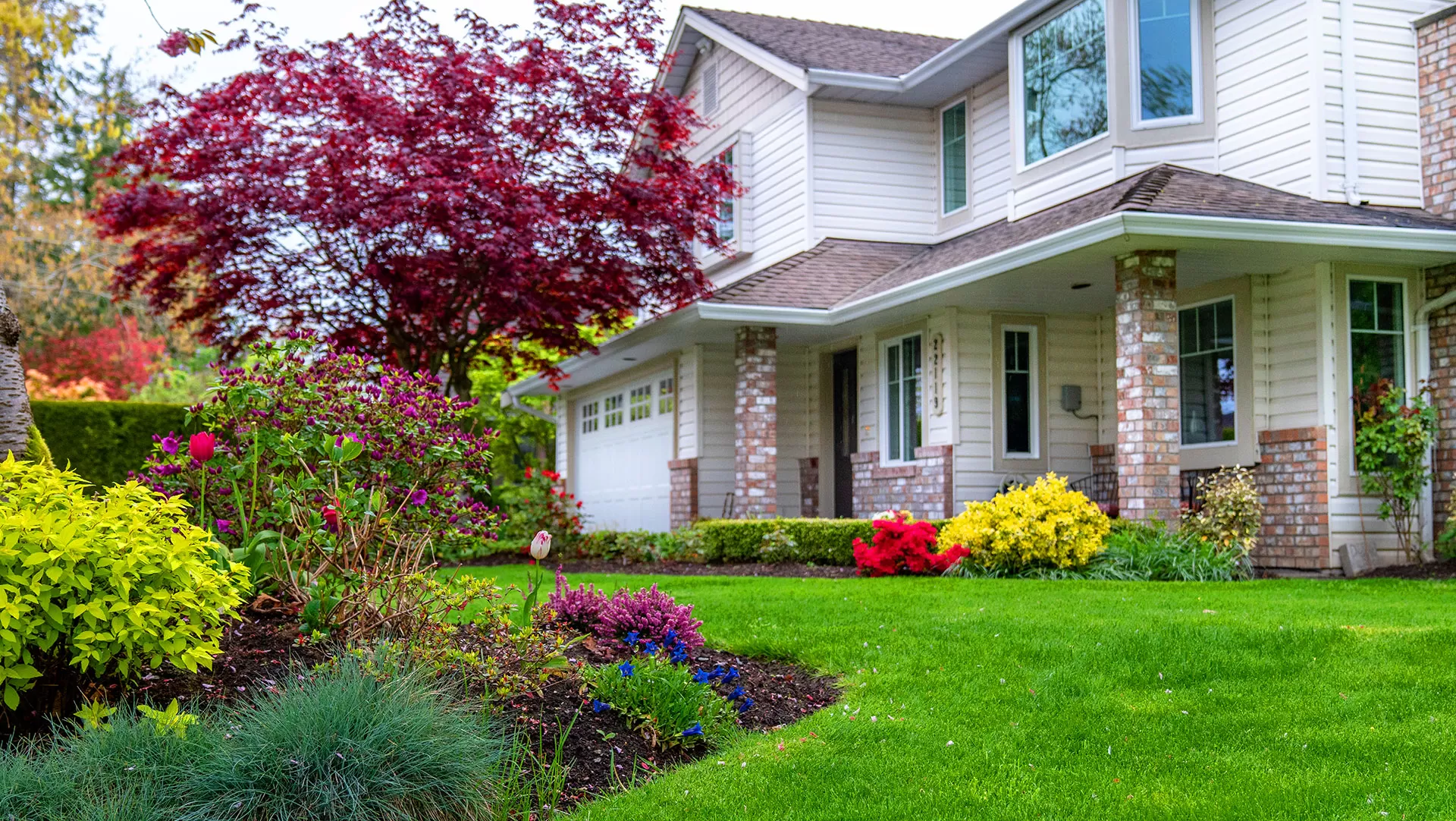
- Japanese maple: attractive structure with limited pruning needs
- Crepe myrtle: tolerant of heat and drought, blooms reliably
Selecting slow-growing varieties means less frequent pruning and shaping throughout the year.
Add Groundcovers Instead of Mulch Beds Alone
Groundcover plants like creeping thyme, clover, or vinca spread naturally to fill space, crowding out weeds without chemical intervention. They also reduce soil erosion on slopes where grass struggles to establish.
Simplify With Defined Borders
Clear borders between lawn, beds, and pathways prevent grass and weeds from creeping into garden areas. Materials like metal edging, brick, or stone create clean lines that are easy to maintain with a quick trim rather than constant upkeep.
Final Thoughts
Building a low maintenance yard comes down to smart choices made early. Selecting native and drought-tolerant plants, reducing lawn space, incorporating hardscaping, and installing efficient irrigation all work together to create a space that looks great with minimal ongoing effort. The result is more time to enjoy your yard and less time working on it.
Frequently Asked Questions
What is the easiest ground cover for low maintenance yards?
Creeping thyme and clover are popular choices because they spread quickly, tolerate foot traffic, and require little to no mowing or watering once established.
Do low maintenance yards still need any care?
Yes, though minimal. Occasional pruning, mulch refreshing, and seasonal cleanup are typically all that is required to keep the space looking neat.
Is artificial turf a good low maintenance option?
Artificial turf eliminates mowing, watering, and fertilizing entirely, making it a practical solution for high-traffic areas or regions with water restrictions.
Can I convert an existing high-maintenance yard without starting over?
Yes. Gradually replacing lawn sections with groundcover, adding mulch to beds, and swapping high-care plants for hardy alternatives can transform a yard over time without a full overhaul.
How do native plants reduce yard maintenance?
Native plants are already adapted to local soil and climate conditions, so they need less watering, fertilizing, and pest management compared to non-native species.