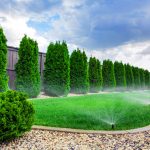

Picture this: your neighbor’s lawn looks like a freshly unrolled carpet of emerald velvet, while yours resembles a patchy quilt of struggling grass and stubborn weeds. The secret isn’t expensive equipment or hours of backbreaking work. It’s knowing the right lawn treatment tips at the right time, and most homeowners get this completely backward. Whether you’re battling brown spots, fighting off crabgrass, or just trying to coax some life back into tired turf, the strategies below will transform how you approach your yard.
What is the best treatment for a lawn?
The best lawn treatment combines core aeration in fall, overseeding with regional grass varieties, balanced NPK fertilization based on a soil test, deep weekly watering (1 to 1.5 inches), and mowing at the highest blade setting for your grass type. Consistency beats intensity every single season.
Start With a Soil Test (Most People Skip This)
Before you spend a dime on fertilizer, weed killer, or fancy treatments, get a soil test. A simple kit from your local extension office tells you exactly what your lawn needs, and just as importantly, what it doesn’t.
Soil pH matters more than most homeowners realize. Grass thrives between 6.0 and 7.0 on the pH scale. Too acidic? You’ll need lime. Too alkaline? Sulfur is your friend. Guessing at this step is like cooking without tasting.
What Your Soil Test Reveals
- pH levels that determine nutrient absorption
- Nitrogen, phosphorus, and potassium deficiencies
- Organic matter percentage for water retention
- Micronutrient gaps like iron or magnesium
Mow Smarter, Not Shorter
Here’s a hard truth: scalping your lawn is sabotage. Cutting grass too short stresses the roots, exposes soil to weed seeds, and forces your turf to spend energy recovering instead of growing thick.
Follow the one-third rule. Never remove more than one-third of the grass blade in a single mowing. For cool-season grasses, aim for 3 to 4 inches. Warm-season varieties like Bermuda can go shorter, but always check what your specific grass prefers.
Cool-Season Grass Height
Kentucky Bluegrass, Fescue, and Ryegrass: 3 to 4 inches
Warm-Season Grass Height
Bermuda, Zoysia, and St. Augustine: 1 to 2.5 inches
Water Deep, Water Less Often
Light daily sprinkling is the worst thing you can do. It encourages shallow roots that can’t survive heat or drought. Instead, water deeply two or three times per week, delivering about an inch of water total.
Morning is the golden window. Between 5 AM and 9 AM, evaporation is low and grass blades dry before evening, which prevents fungal diseases like brown patch and dollar spot.
Quick Watering Checklist
- Place a tuna can on the lawn while sprinklers run
- Time how long it takes to fill one inch
- Use that as your weekly baseline
- Adjust for rainfall (a rain gauge helps)
Fertilize With Strategy, Not Guesswork
Random fertilizing creates more problems than it solves. Excess nitrogen burns roots and feeds weeds. Skipping fertilizer entirely starves your turf. The sweet spot lies in timing and balance.
Cool-season lawns benefit most from a heavy fall feeding, with lighter applications in spring. Warm-season grasses prefer late spring and summer feedings when they’re actively growing.
- Slow-release nitrogen prevents growth spikes and burnout
- Iron supplements deepen color without forcing growth
- Organic compost top-dressing builds long-term soil health
Aerate and Overseed for Thickness
Compacted soil is silent killer of lawns. Foot traffic, mowers, and clay-heavy ground squeeze out the air pockets roots need. Core aeration pulls small plugs of soil out, opening pathways for water, oxygen, and nutrients.
Pair aeration with overseeding for compounded results. The freshly opened holes give seeds direct contact with soil, dramatically improving germination rates. Within weeks, thin patches fill in and crowd out weeds naturally.
Tackle Weeds Before They Take Over
Pre-emergent herbicides applied in early spring stop crabgrass and other annual weeds before they germinate. Timing is everything. Apply when soil temperatures hit 55°F for three consecutive days.
For broadleaf weeds like dandelions and clover, spot-treat with a post-emergent rather than blanketing the entire lawn. Less chemical, better results, healthier grass.
Don’t Forget the Bigger Picture
A stunning lawn is only part of a beautiful yard. Pathways, garden beds, and well-placed outdoor lighting techniques turn a healthy lawn into a showpiece that shines after sunset. Healthy turf framed by warm landscape lighting creates the kind of curb appeal that stops cars in the street.
Seasonal Lawn Treatment Timeline
Spring
Apply pre-emergent, dethatch if needed, begin mowing at proper height.
Summer
Deep water, mow high, spot-treat weeds, watch for grub damage.
Fall
Aerate, overseed, apply winterizing fertilizer, rake leaves regularly.
Winter
Limit foot traffic on frozen grass, service equipment, plan for spring.
Frequently Asked Questions
How often should I treat my lawn?
Most lawns benefit from four to six treatments per year, spaced about six to eight weeks apart. This includes fertilization, weed control, and seasonal applications timed to your grass type and climate zone.
Can I overwater my lawn?
Absolutely. Overwatering drowns roots, invites fungal diseases, and washes nutrients out of the soil. Stick to roughly one inch per week, including rainfall, and let the top inch of soil dry between waterings.
What’s the cheapest way to improve my lawn?
Raising your mower blade and watering deeply cost nothing and produce dramatic results within a month. Add a bag of grass seed for thin spots and you’ve transformed your lawn for under fifty dollars.
Should I bag clippings or leave them?
Leave them. Grass clippings return nitrogen to the soil and act as a free, slow-release fertilizer. They decompose quickly when you mow at the correct height and frequency.
Why does my lawn have brown patches?
Brown patches typically signal one of four issues: fungal disease, grub damage, dog urine, or dry spots from uneven sprinkler coverage. Inspect closely and rule out each before treating.
When is it too late to fertilize?
Stop fertilizing cool-season grass about six weeks before the first hard frost. For warm-season varieties, wrap up feedings by late summer so growth can harden off before dormancy.
The Bottom Line
A thriving lawn isn’t about chasing every product on the shelf or working harder than your neighbors. It’s about smart timing, deep watering, proper mowing height, and giving your soil what it actually needs. Test before you treat, mow tall, water deep, and aerate when compaction sets in.
Stick with these lawn treatment tips consistently, and within one full growing season you’ll have the kind of turf that makes passersby slow down and stare. The best part? Once you’ve built healthy soil and dense grass, maintenance becomes easier every year. Your lawn will reward patience with the kind of beauty no quick fix can deliver.