
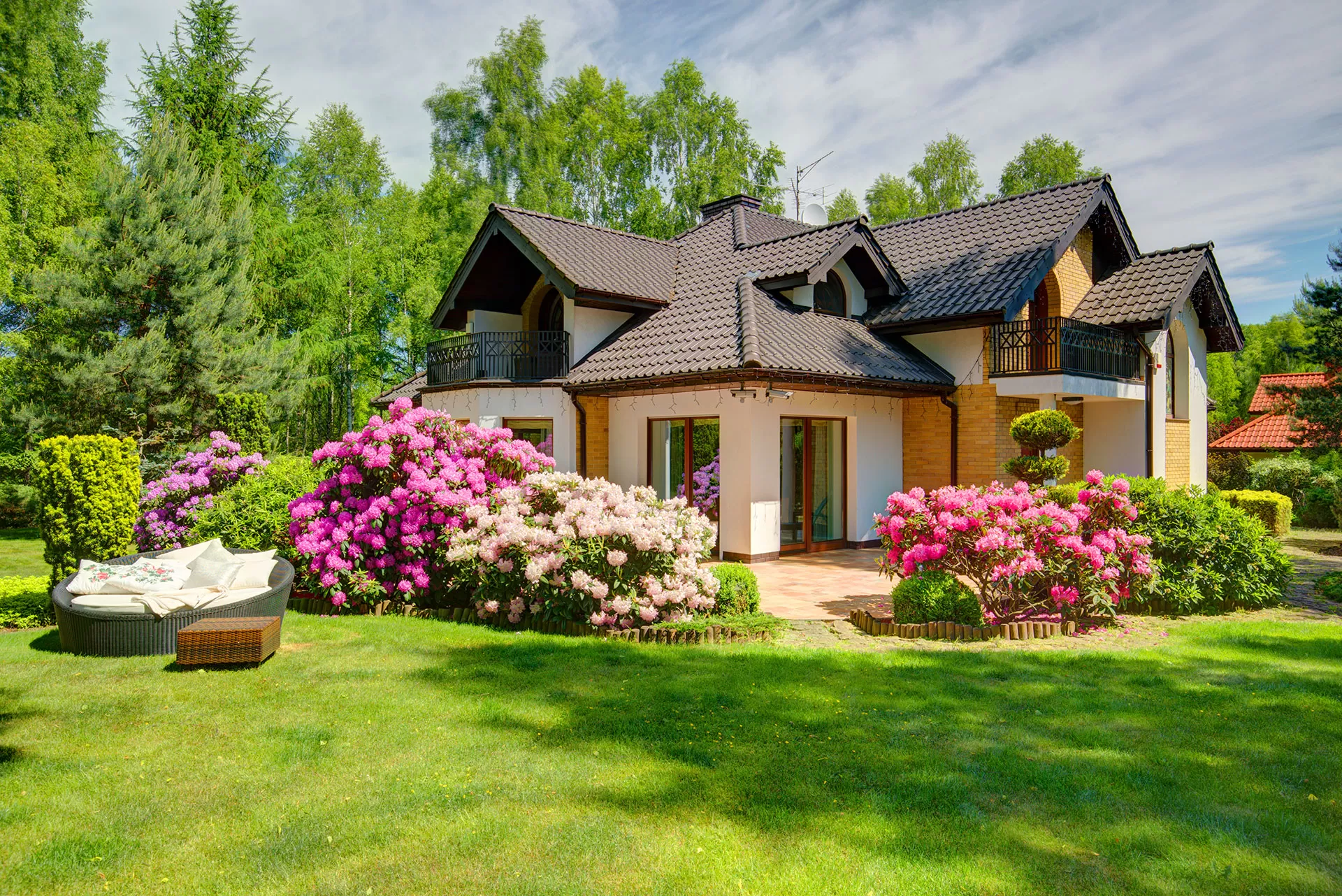
Your garden is a blank canvas, and the way you arrange it can mean the difference between a chaotic tangle of plants and a breathtaking outdoor sanctuary. Whether you are working with a tiny balcony, a narrow side yard, or a sprawling backyard, smart garden layout ideas can completely transform how your space looks, functions, and feels.
The best garden layout ideas include raised bed grids, cottage-style free-form borders, keyhole designs, vertical layering, and zoned layouts based on sun exposure. Choose a layout that matches your soil type, available space, and planting goals for maximum yield and visual impact.
Why Your Garden Layout Matters More Than You Think
Most gardeners focus heavily on plant selection but overlook the single most impactful decision: how those plants are arranged. A well-planned layout maximizes sunlight exposure, improves airflow, simplifies maintenance, and creates a visual flow that makes your garden feel intentional rather than accidental.
Poor layout leads to overcrowding, shaded plants that never thrive, and awkward pathways that make watering and harvesting a chore. Getting the structure right from the start saves you time, money, and frustration across every single growing season.
The Most Popular Garden Layout Ideas for Every Space
There is no single perfect layout. The right design depends on your climate, the size and shape of your plot, what you want to grow, and how much time you can realistically commit to upkeep. Here are the most effective and widely used garden layout styles to consider.
1. The Classic Grid Layout
The grid layout divides your garden into equal square or rectangular sections, separated by clear pathways. It is clean, organized, and incredibly easy to plan on paper before you ever touch a shovel. This layout works particularly well for vegetable gardens and herb beds.
Each cell in the grid can house a different plant variety, making crop rotation straightforward and soil management simple. Pathways between sections ensure you never have to step on the soil itself, preserving its structure and drainage over time.
- Vegetable gardens
- Herb patches
- Small to medium backyards
- First-time gardeners
- Easy to plan and replicate
- Efficient use of space
- Simple crop rotation
- Accessible from all sides
2. Raised Bed Layouts
Raised beds are arguably the single most popular garden layout idea right now, and for very good reason. They offer superior drainage, warmer soil temperatures in spring, and a defined boundary that keeps grass and weeds from creeping in.
You can arrange raised beds in countless configurations. Parallel rows with walking paths between them are most common. L-shaped or U-shaped arrangements are excellent for corner gardens. Staggered heights add visual interest while giving taller plants the rear positioning they need to avoid shading shorter neighbors.
Raised beds also allow you to customize your soil mix precisely to what you are growing, which is something an in-ground layout rarely offers with the same level of control.
3. Keyhole Garden Design
The keyhole design is one of the smartest and most space-efficient garden layout ideas available, particularly for small or awkward-shaped yards. Imagine a circular garden bed with a narrow notch cut into it, creating a small center composting basket surrounded by plantable ground on all sides.
You step into the notch to tend the entire garden without overreaching. The central compost column feeds nutrients directly into the surrounding soil. This design originated in arid climates where water conservation is critical, but it works brilliantly in virtually any setting.
4. Cottage Garden Free-Form Borders
Not everyone wants straight lines and measured symmetry. The cottage garden style embraces a deliberately lush, slightly wild aesthetic where plants spill over borders and mix freely. Think hollyhocks towering beside lavender, with climbing roses weaving through a rustic fence.
The layout here is less about rigid structure and more about thoughtful layering. Tall plants go at the back, mid-height plants fill the center, and low groundcovers spill forward. Color repetition across the border creates cohesion within the apparent chaos.
5. The Three Sisters Layout
This is one of the oldest and most effective companion planting arrangements in existence. Corn, beans, and squash are planted together in a mutually beneficial cluster. The corn provides structure for the beans to climb, the beans fix nitrogen in the soil, and the squash’s broad leaves shade the ground to retain moisture and suppress weeds.
Each plant directly supports the others, resulting in higher yields with fewer inputs. It is an outstanding layout idea for anyone wanting to grow food sustainably and efficiently in a relatively compact space.
6. Vertical Garden Layout
When horizontal space is scarce, you grow up. Vertical layouts use trellises, living walls, pergolas, and tiered planters to stack plants at multiple heights. This dramatically increases your growing capacity without requiring a larger footprint.
Vertical gardening suits climbing vegetables like cucumbers, peas, and pole beans particularly well. For ornamental gardens, cascading flowers like petunias and fuchsias combined with trained climbers create stunning layered displays that draw the eye upward and make small spaces feel surprisingly expansive.
7. Zoned Sun-Based Layout
One of the most practical approaches is to divide your garden into zones purely based on available sunlight. Map out which areas receive full sun (six or more hours), partial sun (three to six hours), and full shade. Then assign plants to each zone based on their actual light requirements.
This sounds simple, but most gardening mistakes happen when sun-loving plants are placed in partial shade or vice versa. A zoned layout eliminates this problem entirely and creates natural visual sections within your garden that each have their own distinct character.
Garden Layout Ideas for Specific Goals
Different gardeners have different objectives. Below are targeted layout approaches based on what you want your garden to actually do for you.
Layout Ideas for Vegetable Gardens
Vegetable gardens demand function above all else. The most effective layouts place crops in wide rows or raised beds oriented north-to-south so taller plants do not shade shorter ones. Group plants by their water and fertilizer needs to simplify your maintenance routine.
- Square foot gardening: Divide beds into one-foot squares, planting a different crop in each based on its spacing requirements.
- Row cropping: Traditional long rows work well in larger plots and suit mechanized tools.
- Intensive planting: Close spacing eliminates weed space and maximizes yield per square foot.
- Succession planting strips: Divide the bed into strips and stagger planting dates for continuous harvest.
Layout Ideas for Small Gardens
Small gardens reward clever thinking. Every inch counts, which means choosing multi-functional plants, using vertical elements, and creating the illusion of depth with design tricks.
- Use curved pathways rather than straight ones. Curves slow the eye and make a small space feel larger.
- Place larger, bolder plants toward the back and fine-textured plants in the foreground to create perspective.
- Incorporate mirrors or reflective surfaces on boundary walls to visually double the perceived space.
- Choose tiered planters or vertical wall pockets to stack planting levels without using floor area.
Layout Ideas for Low-Maintenance Gardens
If your goal is a beautiful garden that does not consume every weekend, design decisions matter enormously. Low-maintenance layouts prioritize perennials over annuals, mulching to suppress weeds, and grouped plantings that shade out competition naturally.
Wide borders with dense planting leave little bare soil for weeds to colonize. Choosing plants that naturally self-seed or spread (in a controlled manner) means your garden fills itself in over time with minimal intervention from you.
How to Choose the Right Garden Layout for Your Space
Selecting the right layout starts with an honest assessment of four key variables. Work through each one before committing to any design.
Is your plot square, rectangular, L-shaped, or irregular? The shape often dictates which layouts are practical.
Full sun, partial shade, or mixed? This determines which plant categories are even possible in your space.
Clay, sandy, or loamy soil affects drainage and whether raised beds are a necessity rather than a preference.
Food production, visual beauty, wildlife habitat, or relaxation space all point toward different layout priorities.
Planning Your Garden Layout Step by Step
Jumping straight into planting without a plan is the fastest route to disappointment. A structured planning process saves you replanting costs, wasted effort, and the frustration of watching plants fail in wrong positions.
- Sketch your space to scale. Use graph paper or a free online garden planner. Accurate dimensions prevent costly miscalculations.
- Mark all fixed elements. Note existing trees, structures, fences, slopes, and utility lines before planning anything around them.
- Observe your light patterns. Spend at least one full day tracking sun and shade movement across your space.
- Decide on your primary zones. Separate productive, ornamental, and relaxation areas before adding specific plants.
- Choose your structural framework. Paths, edging, raised beds, and focal points create the skeleton that plants then fill in.
- Select plants based on your zone conditions. Research mature sizes and growth habits, not just what looks appealing at the nursery.
- Plan for seasonal change. Ensure you have visual interest across all four seasons by including spring bulbs, summer bloomers, autumn color, and evergreen structure.
Design Elements That Elevate Any Garden Layout
The difference between a good garden layout and a truly stunning one often comes down to a handful of design principles that professional landscapers apply instinctively. You can use these same principles regardless of your budget or experience level.
Focal Points
Every well-designed garden has at least one focal point that draws the eye when you first look at the space. This could be a specimen tree, a striking sculpture, a water feature, or even a boldly colored planting bed. Focal points give the eye somewhere to land and prevent the garden from feeling visually chaotic.
Repetition and Rhythm
Repeating the same plant, color, or structural element at intervals across your garden creates rhythm. This is what makes professionally designed gardens feel cohesive rather than random. You do not need to repeat everything, just two or three key elements spaced thoughtfully throughout the layout.
Pathways and Flow
How people move through your garden is as important as what they see. Paths should lead visitors naturally toward focal points and through different zones. Wider paths feel welcoming and relaxed. Narrow winding paths build anticipation and curiosity. The material you choose for paths sets the entire tone of the garden’s character.
Layering
Think of your garden in horizontal layers: groundcovers, low perennials, mid-height shrubs, and tall trees or climbers. Filling all layers creates that lush, full look that makes a garden feel established and rich rather than sparse and newly planted.
When to Bring in Professional Help
There is no shame in recognizing that your vision exceeds your current skill set or available time. Complex terracing, drainage issues, large-scale planting, and structural features like pergolas or retaining walls genuinely benefit from expert involvement. Understanding the full range of landscaping services available to you helps you decide exactly where professional input adds the most value and where your own efforts are best directed.
Even a single consultation with a garden designer can clarify your layout thinking enormously. Sometimes the most valuable thing a professional provides is not the work itself but the confidence that your plan is solid before you invest time and money executing it.
Common Garden Layout Mistakes to Avoid
Even experienced gardeners fall into predictable traps. Being aware of these common errors helps you sidestep them entirely.
- Underestimating plant mature sizes: That small shrub at the nursery can easily become a six-foot-wide sprawling mass in three years.
- Ignoring paths until too late: Paths are structural elements that need to be planned first, not squeezed in around plants afterward.
- Planting in straight lines: In ornamental gardens, straight single rows of plants look stiff and unnatural. Use drifts and groupings instead.
- Choosing plants before choosing a layout: Always let your layout goals drive plant selection, not the reverse.
- Neglecting winter interest: A garden that looks spectacular in summer but dead in winter represents a missed opportunity to enjoy the space year-round.
- Overcrowding for instant impact: Dense immediate planting looks great in year one but creates serious competition problems as plants mature.
Frequently Asked Questions
The raised bed grid layout is widely considered the most beginner-friendly option. It is easy to plan on paper, keeps soil quality manageable, prevents weeds from encroaching, and gives every plant clearly defined space. Start with two or three small raised beds rather than one overwhelming project.
Start with a sketch using free online tools or graph paper. Prioritize structural elements like compost, quality soil, and basic edging before spending on plants. Grow from seed where possible, divide perennials from friends or neighbors, and build the layout in phases rather than all at once.
Intensive planting within raised beds consistently produces the highest vegetable yields per square foot. Combining this with companion planting techniques like the Three Sisters method and succession sowing means you are harvesting something from the same bed across most of the growing season rather than waiting for a single large harvest.