
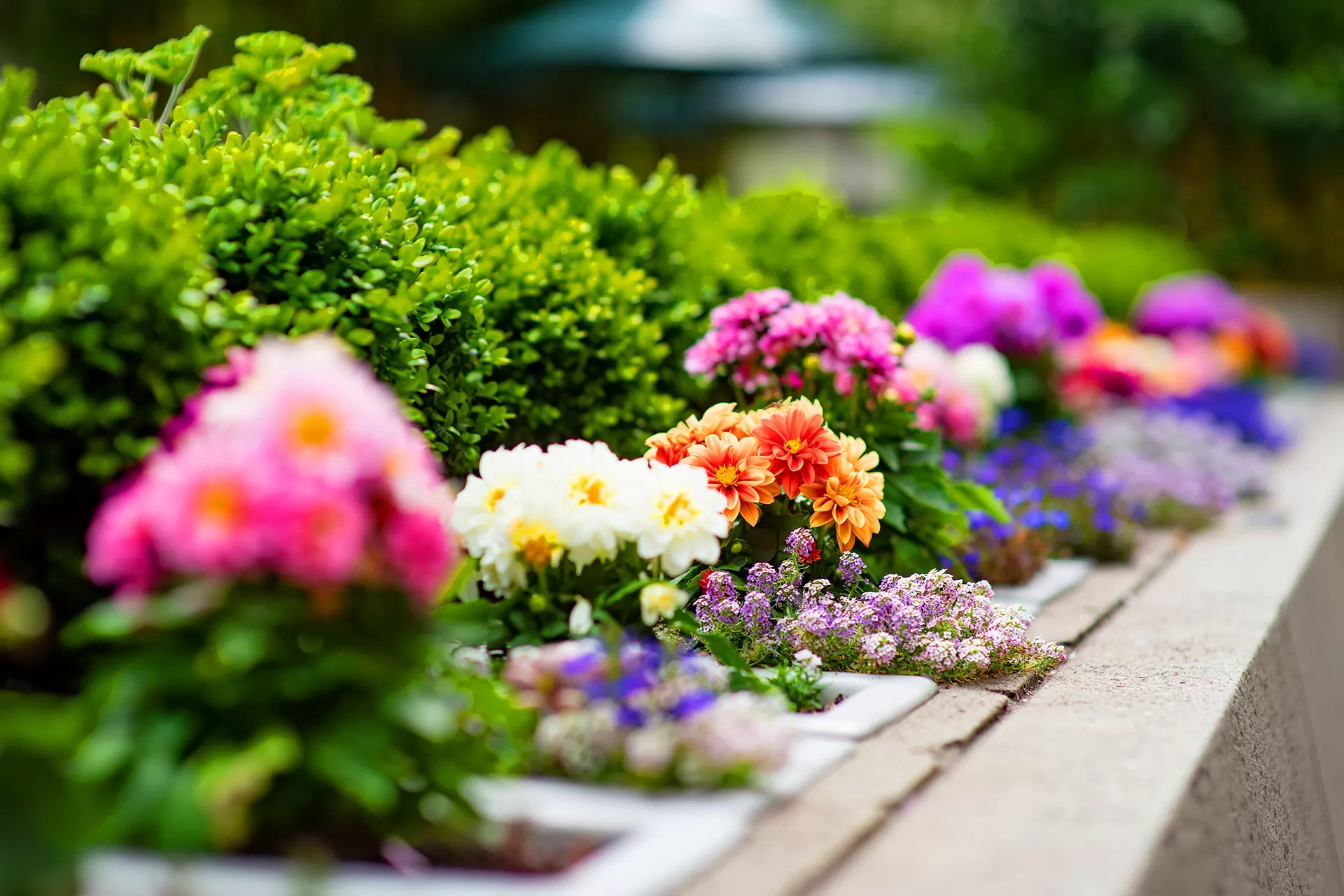
Your front yard is the first thing guests see, yet so many homeowners let that space sit there looking flat, empty, or downright boring. A well-designed flower bed can turn a forgettable entrance into the kind of curb appeal that makes neighbors slow down for a second look. So where do you even start when the front of your house feels like a blank canvas?
What Are the Best Front Flower Bed Ideas?
The best front flower bed ideas combine layered heights, repeating colors, and a mix of textures. Use evergreen shrubs as a backbone, add perennials for structure, and finish with seasonal annuals for pops of color. Curved edges, mulch borders, and grouped plantings in odd numbers create a polished, professional look.
Once you understand the basic formula, the design possibilities are nearly endless.
Why Your Front Flower Bed Matters More Than You Think
A front flower bed does more than add color. It frames your home’s architecture, softens hard edges like walkways and foundations, and signals that the property is cared for. Real estate agents often point to curb appeal as one of the first things buyers notice, and a thoughtfully planted bed is one of the easiest ways to boost that impression without major renovation costs.
Beyond aesthetics, flower beds also support pollinators, reduce soil erosion near your foundation, and give you a creative outlet right outside your front door.
Popular Layout Styles to Consider
Not every yard suits the same design. Here are some layout styles that consistently work well for front-of-house plantings:
- The Layered Border: Tall plants in the back, medium shrubs in the middle, and low-growing flowers or ground cover in front. This creates depth and visual interest from the street.
- The Foundation Frame: A narrow bed that runs along the base of your house, softening the transition between siding and lawn.
- The Island Bed: A freestanding bed near the front walkway or under a tree, viewable from multiple angles.
- The Symmetrical Duo: Matching beds on either side of the entryway or driveway, creating a balanced, formal welcome.
Plant Combinations That Actually Work
Choosing plants that bloom at different times keeps your bed looking alive throughout the seasons instead of peaking for two weeks and going bare. Consider this simple approach:
- Spring: Tulips, daffodils, and creeping phlox for early color.
- Summer: Coneflowers, black-eyed Susans, and salvia for heat-tolerant blooms.
- Fall: Mums, asters, and ornamental grasses for late-season texture.
- Year-Round Structure: Boxwood, hydrangea, or dwarf conifers to anchor the bed when flowers fade.
Grouping plants in clusters of three or five, rather than single specimens scattered around, gives the bed a fuller, more cohesive appearance almost immediately.
Design Tips for a Polished Look
Even great plant choices can look messy without the right structural details. Keep these tips in mind:
- Define bed edges with a clean curve or a physical border like stone, brick, or steel edging.
- Use mulch to suppress weeds and give the bed a finished, uniform backdrop.
- Repeat colors or plant types at intervals to create rhythm rather than randomness.
- Keep sightlines clear near windows and walkways so plants don’t overgrow into pathways.
Low Maintenance Options for Busy Homeowners
If your schedule doesn’t leave much room for weekly weeding and deadheading, you can still have a gorgeous front bed. Choosing drought-tolerant perennials, native plants, and mulch-heavy designs cuts down on upkeep significantly. For a deeper dive into designs that stay beautiful with minimal effort, this guide on low maintenance front yard landscaping walks through plant choices and layout strategies that reduce weekly maintenance without sacrificing style.
Common Mistakes to Avoid
Even enthusiastic gardeners fall into a few predictable traps. Watch out for:
- Overcrowding: Plants need room to mature; spacing too tightly leads to competition and disease.
- Ignoring sunlight patterns: A shade-loving plant in full sun (or vice versa) will struggle no matter how well you care for it.
- Skipping soil prep: Poor drainage or compacted soil undermines even the best plant selection.
- One-season planning: Beds that only bloom in spring look empty the rest of the year.
Bringing It All Together
A stunning front flower bed doesn’t require a landscaping degree, just a bit of planning and an eye for balance. Start with a layout that suits your home’s shape, choose plants that bloom in succession, and finish with clean edges and mulch for a professional touch. Whether you prefer a lush layered border or a simple symmetrical design, the right combination of structure and color will transform your entryway into a welcoming, eye-catching space.
Frequently Asked Questions
How wide should a front flower bed be?
Most front flower beds look best between three and six feet wide, depending on the size of the house and yard. Narrow beds under two feet often look sparse and limit plant variety.
What flowers bloom the longest for front yard beds?
Coneflowers, salvia, and black-eyed Susans are known for extended bloom periods, often flowering from early summer through fall with minimal care.
Should I use mulch or rock in a front flower bed?
Mulch retains moisture and improves soil health over time, making it ideal for beds with a mix of perennials and annuals. Rock works well for drought-tolerant or xeriscape designs but doesn’t break down to feed the soil.
How do I keep weeds out of my flower bed?
A layer of mulch, landscape fabric under hardscaping, and regular light weeding after rainfall will keep most weeds under control without heavy chemical use.
Can I redesign my front flower bed without removing the whole lawn?
Yes. Most redesigns simply involve reshaping bed edges, adding or replacing plants, and refreshing mulch, all without disturbing the surrounding lawn.